
On Guided Imagery
A great aid for physical and mental health

Guided imagery is not just about visualizing something. The relaxation technique may utilize sight, sound, taste, smell and touch to make imagined scenes seem as real as possible. A trained therapist or professional audio recording can lead you through a guided imagery session, which often consists of a series of visualizations or imaginary sequences. Popular reasons to use this mind-body technique include stress reduction, supporting lifestyle changes and improving physical and mental well-being.
Mind-body benefits
Stress reduction. Guided imagery has been shown to relieve stress and promote relaxation. Studies indicate is helps decrease levels of the stress hormone cortisol. The relaxation technique also has beneficial effects on sleep quality.
Supports lifestyle changes. The technique encourages planning and preparation for desired health goals. It also increases internal motivation.
Pain reduction. It can decrease pain caused by musculoskeletal conditions. People with chronic pain, arthritis or fibromyalgia may benefit.
Improves emotional/mental health. People who engage in guided imagery may feel calmer and have better emotional regulation. This may result in a reduction in anxiety and depression symptoms.
Getting started
Trained mental health professionals or integrative health care providers may be able to help you get started. Other options include books, audio or video recordings, or computer apps on guided imagery or visualization.
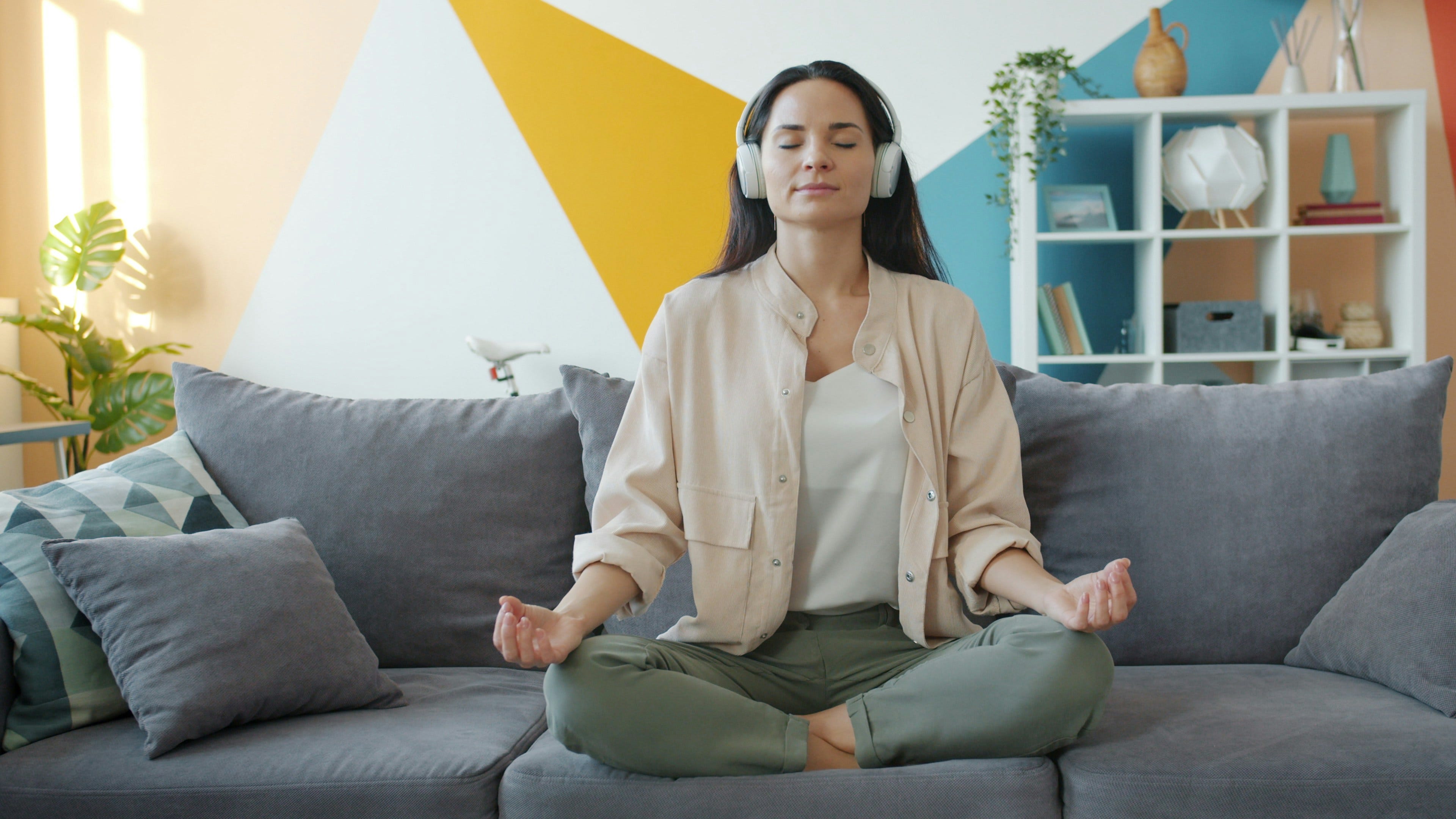
Establish your personal health goals. Find a quiet place and a comfortable position, usually lying down or in a sitting posture. You can utilize guided imagery techniques to help you focus on your goals. For greatest effectiveness, schedule regular sessions for you to practice the mind-body technique.
This newsletter is for educational purposes only. It is not intended as a substitute for medical advice or treatment; before adhering to any recommendations in this newsletter consult your healthcare provider.
Really solid breakdown of how guided imagery works beyond simple visualization. The multisensory approach (sight, sound, touch, smell, taste) is what makes this technique more effective than people expect, it bypasses the conscious resistence to change by creating vivid, embodied experiences. The cortisol reduction evidence is particulary compelling for people who dunno where to start with stress management.